


Dear Chartrflex Community,
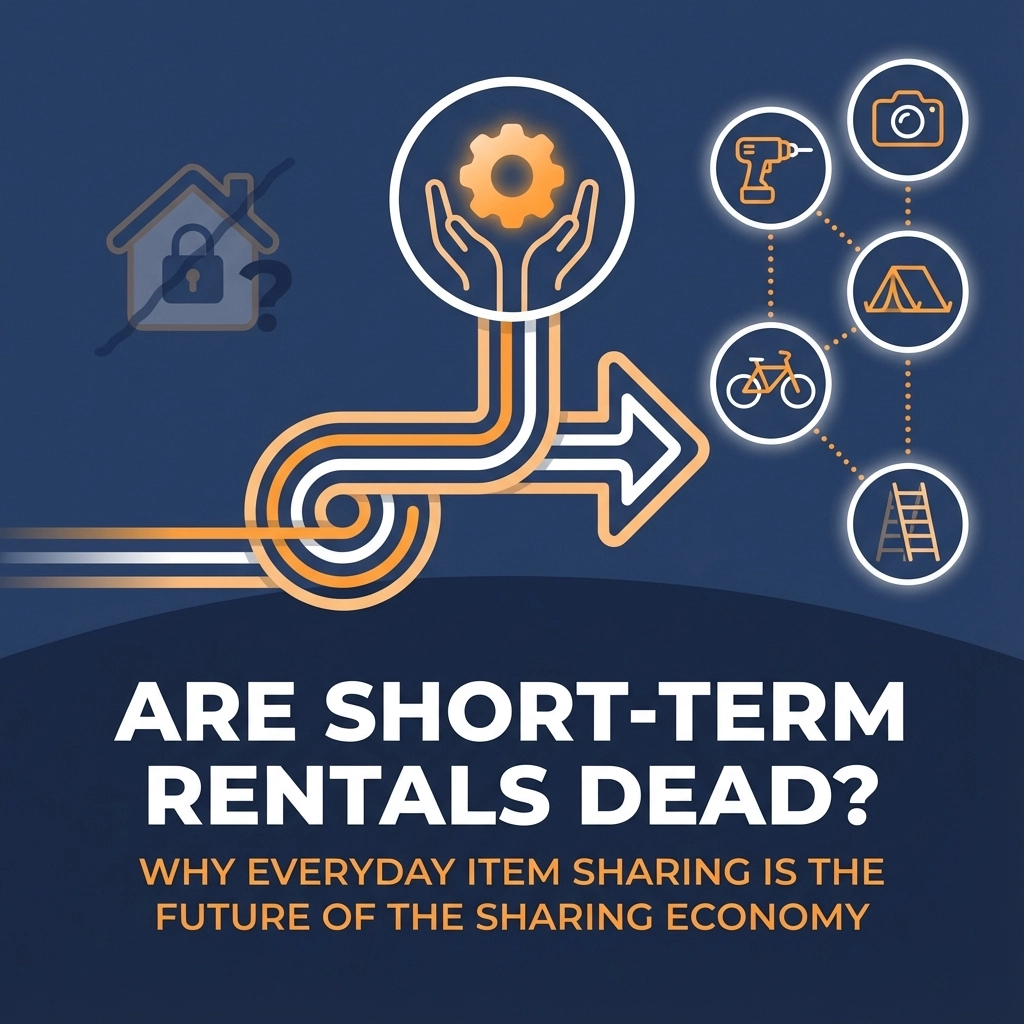
The sharing economy has always been about transformation – turning underutilized resources into opportunities for connection and income. Today, we're witnessing another pivotal moment in this evolution, and we're delighted to share insights that could reshape how you think about the future of peer-to-peer rentals.
The Short-Term Rental Reality Check
Let's address the elephant in the room: short-term rentals aren't actually dead. In fact, the U.S. vacation rental market is projected to generate an impressive $20.08 billion in revenue in 2025. However, this doesn't tell the whole story.
While the numbers look strong on paper, hosts and property managers are facing unprecedented challenges. Market saturation has reached critical levels in many cities, with supply growth finally slowing as competition intensifies. Urban markets are rebounding, but rural areas that saw explosive growth during the pandemic are experiencing corrections.
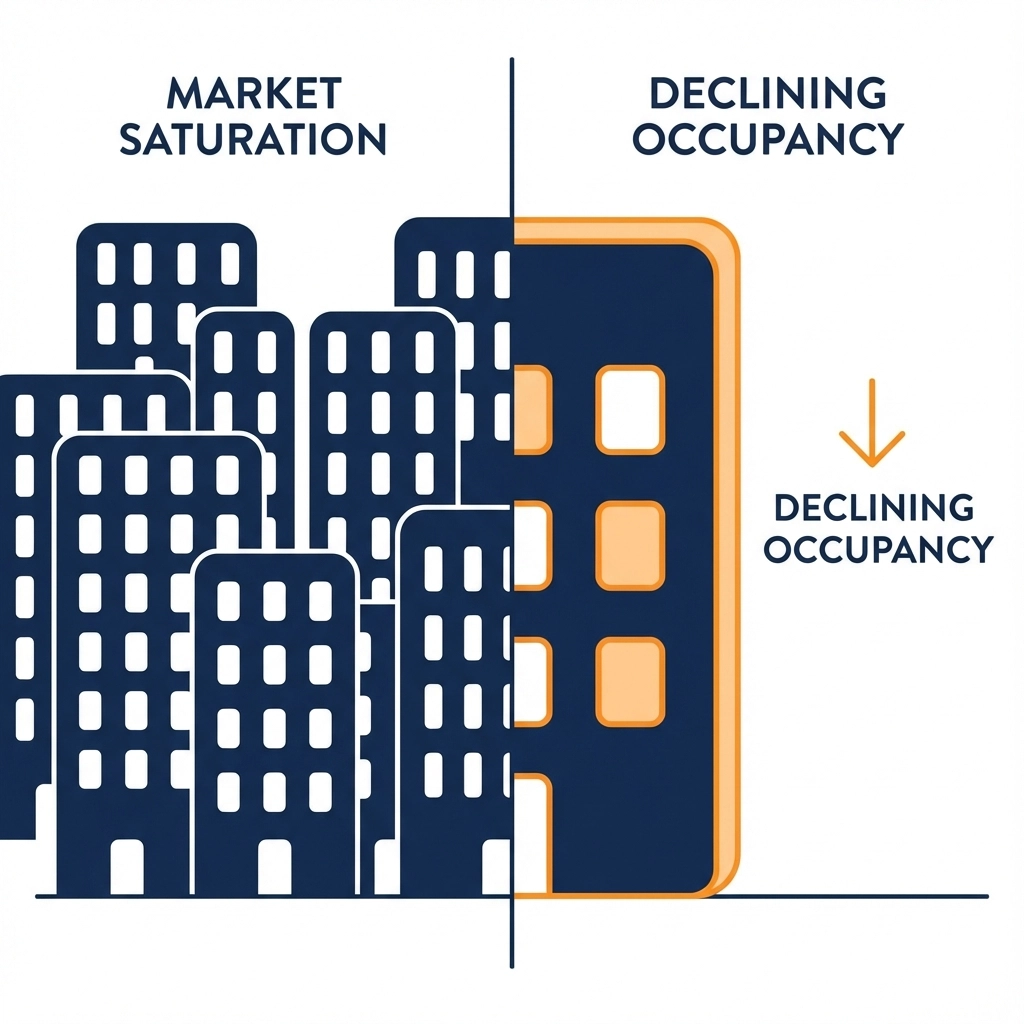
The reality is that traditional short-term rentals are evolving into a mature, highly competitive market. New hosts are finding it increasingly difficult to break in, while existing operators are struggling with rising operational costs, complex regulations, and the constant pressure to differentiate their properties.
The Saturation Problem
We've reached a significant milestone in the sharing economy: the point where supply has caught up with demand in many markets. This shift has created a new landscape where:
- Entry barriers are higher than ever – New hosts need substantial capital, marketing expertise, and operational knowledge to compete
- Profit margins are shrinking – Increased competition and operational costs are eating into returns
- Regulatory challenges are mounting – Cities worldwide are implementing stricter rules on short-term rentals
- Guest expectations continue rising – Professional management and hotel-like amenities are becoming standard requirements
This saturation doesn't signal death – it signals maturity. And with maturity comes the opportunity for innovation in adjacent markets.
Enter Everyday Item Sharing
While property-based sharing faces these challenges, a quiet revolution is happening in neighborhoods across the country. People are discovering that the items sitting unused in their homes, garages, and storage spaces represent untapped income potential.
Think about it: How many tools do you own that get used once or twice a year? How many specialty appliances gather dust in your kitchen? What about that camping gear, exercise equipment, or party supplies that only see daylight occasionally?

This is where the future of the sharing economy becomes truly exciting. Everyday item sharing addresses the core challenges that plague short-term rentals:
Lower Entry Barriers
Unlike property rentals, item sharing doesn't require significant upfront investment or ongoing operational overhead. Most people already own items that others need occasionally.
Higher Profit Margins
Without property taxes, insurance, cleaning fees, and maintenance costs, item sharing offers better returns on investment for everyday participants.
Regulatory Freedom
Sharing personal items faces far fewer regulatory hurdles than operating short-term accommodations.
Community Connection
Item sharing happens locally, fostering genuine neighborhood connections and building stronger communities.
The Numbers Tell a Story
While short-term rental markets mature, everyday item sharing is just beginning to show its potential. Consider these compelling statistics:
- The average household owns over $7,000 worth of items that are used less than once per month
- Storage unit rentals in the U.S. generate over $22 billion annually – much of this represents items that could be shared instead of stored
- 67% of consumers express willingness to rent items they need occasionally rather than purchase them
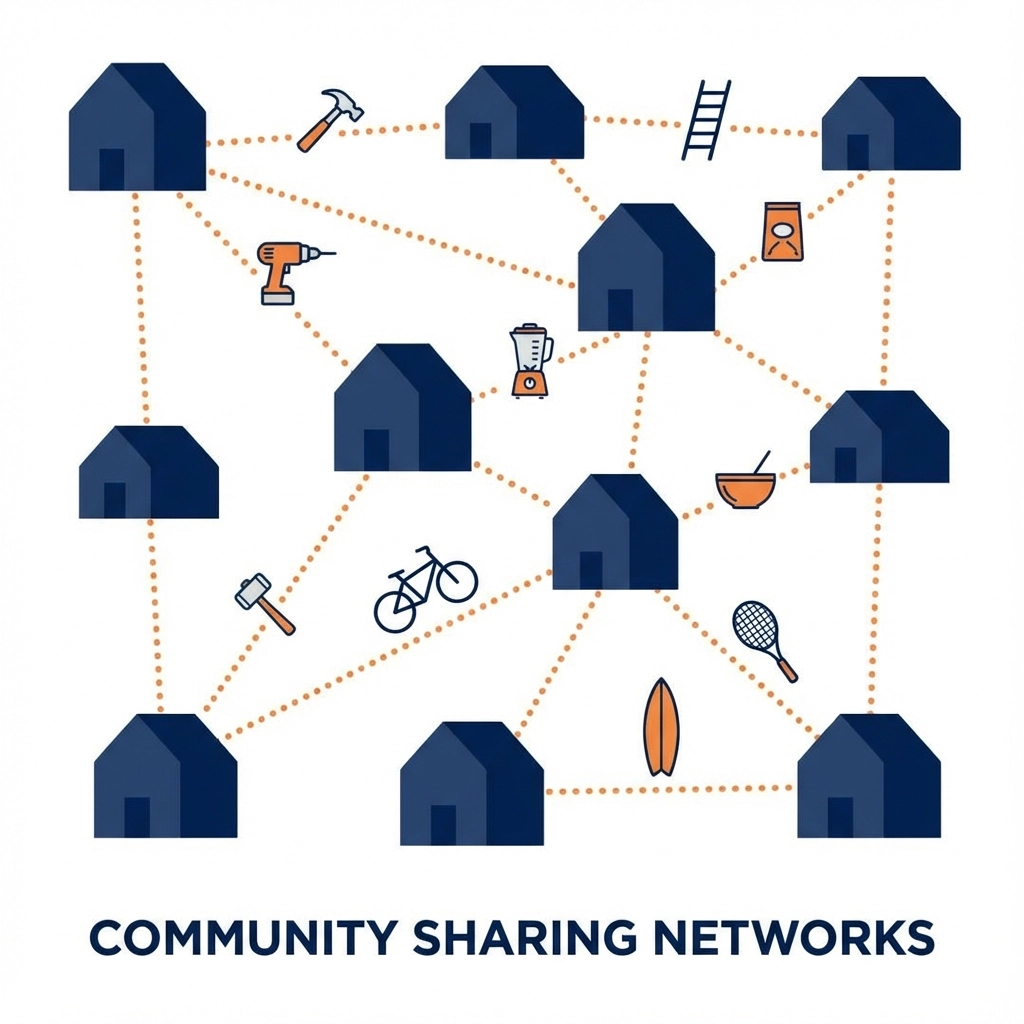
These numbers represent more than market opportunity – they represent a fundamental shift in how we think about ownership and consumption.
Beyond Revenue: The Bigger Picture
What makes everyday item sharing truly revolutionary isn't just the income potential. It's the environmental and social impact. When communities share resources effectively:
- Consumption decreases – People buy fewer items they'll rarely use
- Waste reduces – Items get maximum utility instead of sitting unused
- Communities strengthen – Neighbors connect over shared needs and resources
- Living costs drop – People access what they need without the burden of ownership
This represents a more sustainable and socially conscious evolution of the sharing economy.
Real-World Applications
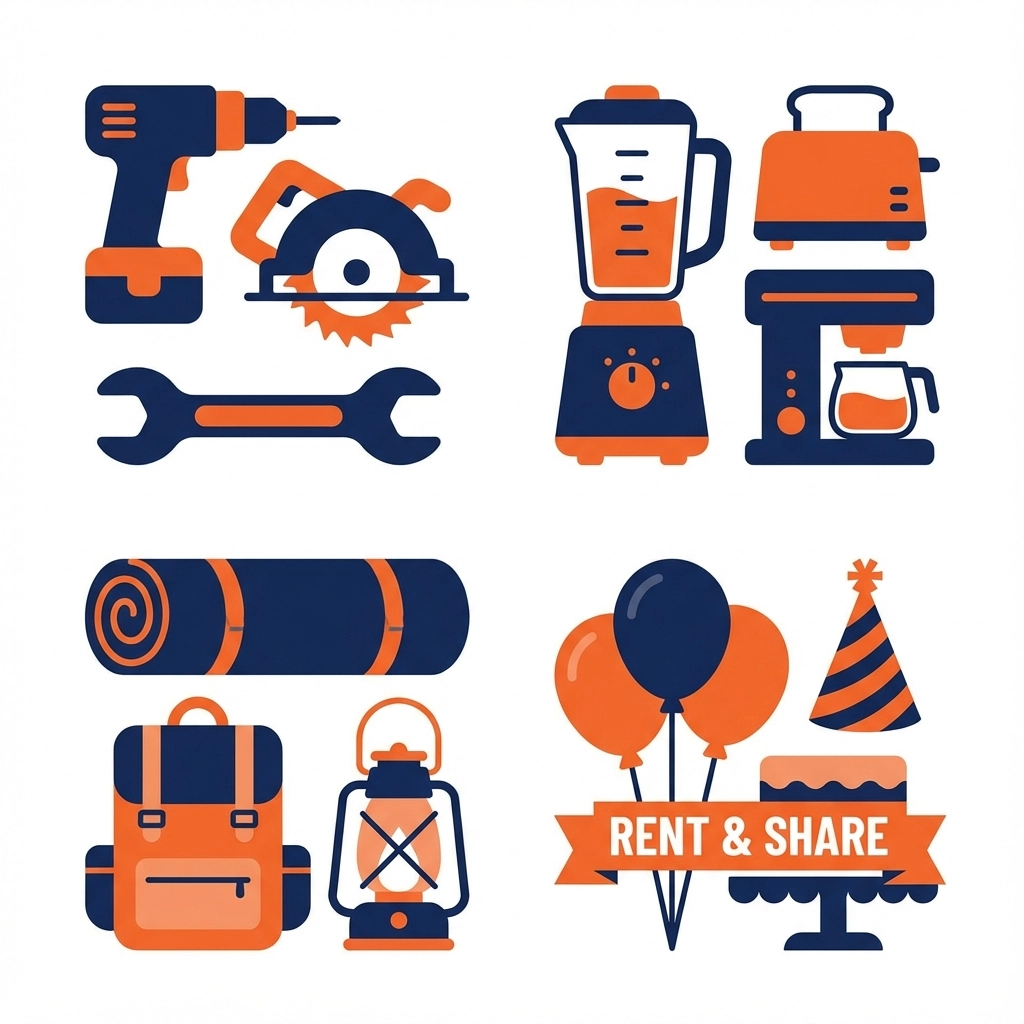
The beauty of everyday item sharing lies in its versatility. Consider these practical applications:
Tools and Equipment: From power drills to pressure washers, homeowners can access professional-grade tools without the storage requirements or maintenance costs.
Kitchen Appliances: Specialty items like bread makers, pasta machines, or stand mixers that are perfect for occasional use but take up valuable counter space.
Recreational Gear: Camping equipment, sports gear, and hobby supplies that see seasonal or occasional use.
Event Supplies: Party decorations, serving dishes, and entertainment equipment for special occasions.
Tech and Electronics: Professional cameras, gaming consoles, or specialty electronics for specific projects or events.
Each category represents an opportunity for both renters and lenders to participate in a more flexible, sustainable economy.
The Technology Advantage
Unlike the early days of short-term rentals, everyday item sharing benefits from mature technology infrastructure. Secure payment processing, insurance solutions, user verification systems, and mobile-first platforms make transactions safer and more convenient than ever.
Modern platforms can handle the complexity of diverse inventory, flexible pricing models, and local logistics that make item sharing practical at scale.
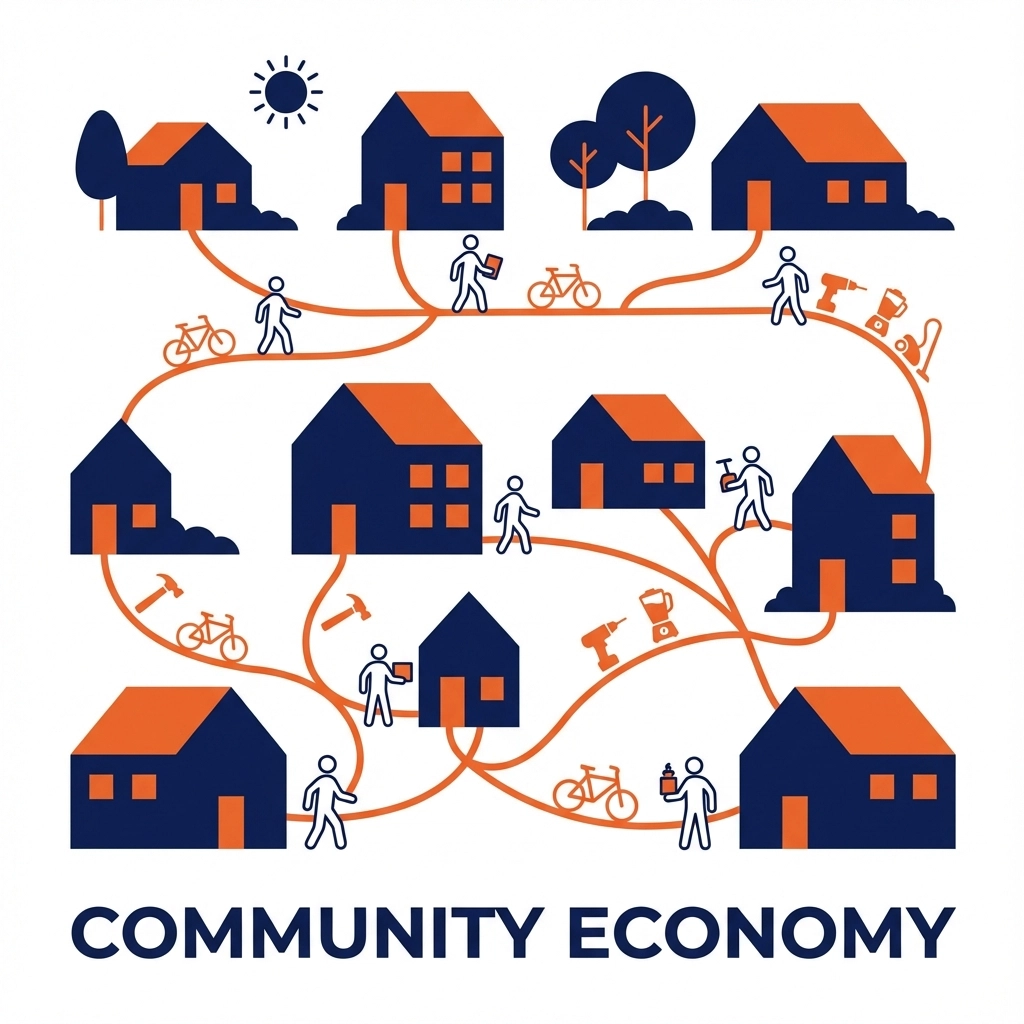
Looking Forward: The Community Economy
We believe we're witnessing the emergence of what we call the "Community Economy" – a more localized, sustainable, and socially connected version of the sharing economy. This evolution represents several key trends:
- Hyper-local focus – Sharing happens within neighborhoods and communities
- Relationship-driven – Trust and reputation build over repeated positive interactions
- Sustainability-minded – Environmental consciousness drives participation
- Accessibility-focused – Lower barriers to entry create more inclusive participation
The Path Forward
The sharing economy isn't dying – it's evolving. While short-term rentals mature into a professional hospitality sector, everyday item sharing emerges as the next frontier for peer-to-peer innovation.
This transformation presents an incredible opportunity for individuals and communities to participate in a more sustainable, profitable, and socially conscious sharing economy. The future belongs to platforms and communities that can make this vision accessible, safe, and rewarding for everyone involved.
At Chartrflex, we're committed to being part of this evolution, building the tools and community that make everyday item sharing not just possible, but profitable and enjoyable for everyone.
The question isn't whether short-term rentals are dead – it's whether you're ready to be part of the sharing economy's next chapter. We believe the future is brighter, more sustainable, and more profitable than ever before.
Join us as we build this community together. The sharing economy's best days aren't behind us – they're just getting started.
Warm regards,
The Chartrflex Team


Like (0)