


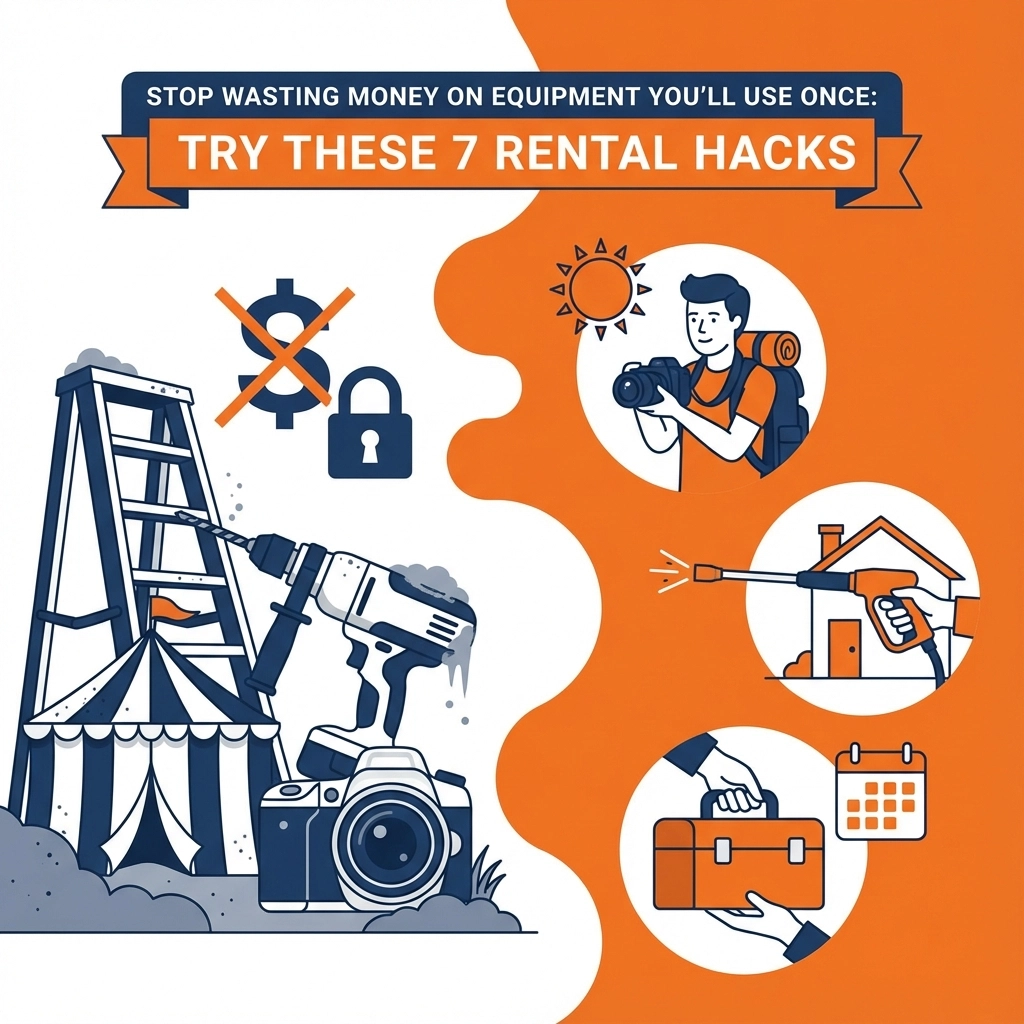
We've all been there – standing in the hardware store contemplating whether to buy that pressure washer for our once-a-year deck cleaning, or debating if we really need to own a tile saw for that bathroom renovation we've been putting off. The truth is, most of us end up making expensive purchases for equipment we'll barely use, then watch it gather dust in our garages for years.
Here's the reality: the average homeowner uses specialty equipment like power tools, lawn equipment, and construction machinery less than 5% of the year. Yet we continue to shell out hundreds or thousands of dollars to own these items outright. What if there was a smarter way?
Enter the rental revolution. Smart consumers are discovering that renting equipment not only saves money but also eliminates storage headaches, maintenance costs, and the guilt of owning underused items. But here's the catch – not everyone knows how to rent efficiently. Many people end up paying more than they should or getting stuck with equipment that doesn't fit their needs.
That's where these seven rental hacks come in. Whether you're tackling a weekend DIY project or planning a major home renovation, these strategies will help you get the equipment you need without breaking the bank or cluttering your space.
Hack #1: Master the Art of Advance Planning
The golden rule of equipment rental is simple: plan ahead. Booking your rental at least 48 hours in advance can save you significant money and stress. Last-minute rentals often come with premium pricing, limited equipment availability, and rushed decision-making that leads to poor choices.
When you plan ahead, rental companies have time to ensure their equipment is properly maintained and ready for your project. This means you're less likely to encounter mechanical issues that could derail your timeline or result in additional charges.
Before making any rental reservations, take time to thoroughly assess your project. Measure your workspace, evaluate the terrain where you'll be working, and research exactly what attachments or accessories you'll need. This upfront investment of time prevents the costly mistake of renting equipment that can't actually handle your specific job requirements.

Hack #2: Size Matters – Choose Equipment That Fits Your Actual Needs
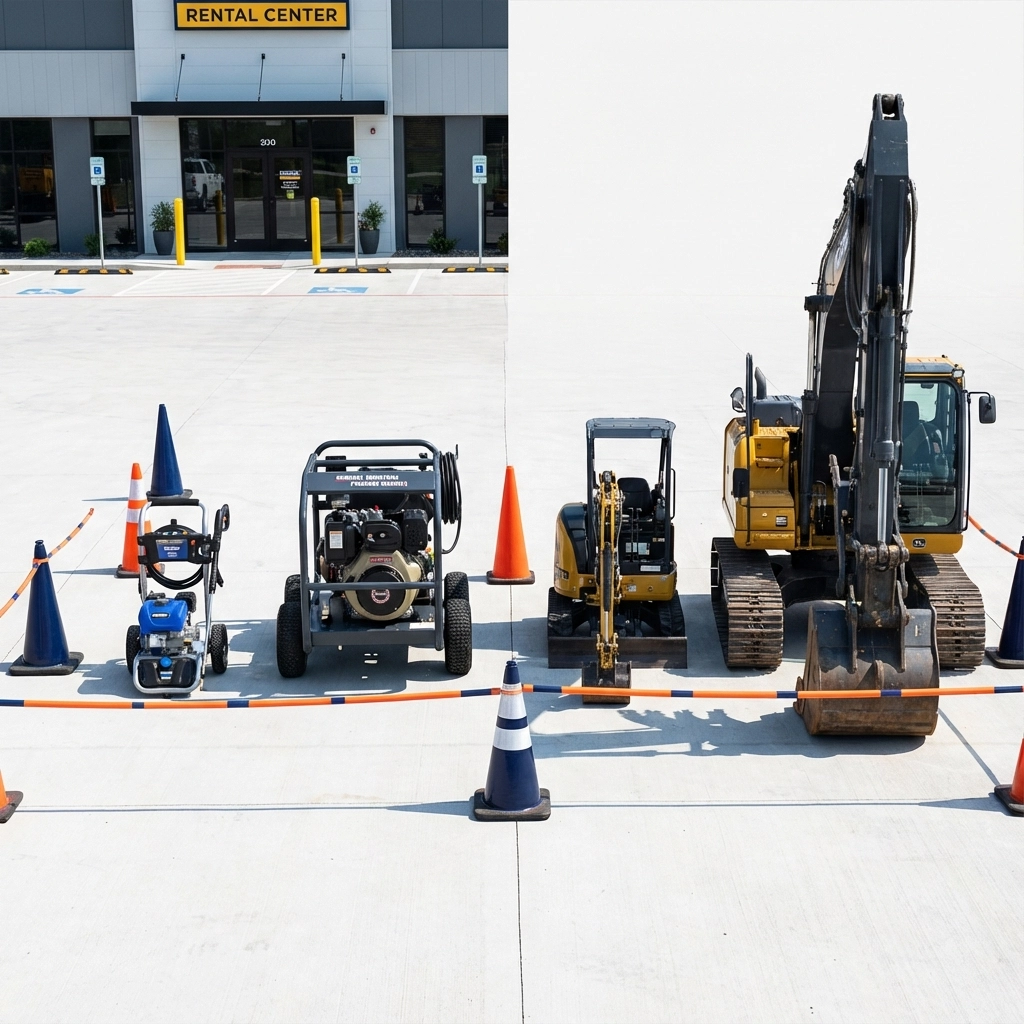
One of the biggest money-wasters in equipment rental is choosing the wrong size or type of equipment. Going too big wastes money on unnecessary power and features you won't use. Going too small means you'll struggle to complete your project efficiently, potentially extending your rental period and increasing costs.
Before selecting equipment, honestly evaluate your project scope. If you're clearing a small backyard area, you don't need the same excavator required for commercial land development. Similarly, renting a massive pressure washer for cleaning outdoor furniture is overkill that will hurt your wallet.
Consult with rental professionals about your specific project details. Describe your space limitations, power requirements, and skill level. Experienced rental staff can guide you toward equipment that matches your actual needs rather than your assumptions about what you might need.
Hack #3: Return Equipment the Moment You're Done
This hack sounds obvious, but you'd be surprised how much money people waste by holding onto rental equipment longer than necessary. If you finish your project Thursday afternoon, don't wait until Friday morning to return the equipment – take it back immediately.
Daily rental rates add up quickly, especially for expensive machinery. By returning equipment the same day you complete your work, you avoid paying for unused rental time. This strategy is particularly effective for weekend warriors who often finish projects earlier than expected.
Build equipment return into your project timeline. Plan to wrap up your work early enough in the day to return equipment during business hours, avoiding potential after-hours fees or having to pay for an extra day.
Hack #4: Become a Contract Detective
Hidden fees are the silent budget killers of equipment rental. The advertised daily rate is rarely your final cost, and many renters get shocked by additional charges they didn't see coming.
Before signing any rental agreement, ask about delivery fees, fuel charges, cleaning costs, damage waivers, and late return penalties. Some companies charge for equipment transportation, while others include delivery in their pricing. Understanding these costs upfront helps you budget accurately and compare rental options effectively.
Read the fine print carefully. Pay attention to policies around normal wear and tear versus damage, fuel return requirements, and what constitutes a "clean" return. Many rental companies require equipment to be returned in the same condition as received, and their definition of "clean" might be more stringent than yours.
Hack #5: Document Everything Before and After
Protecting yourself from unfair damage charges requires thorough documentation. When equipment arrives or when you pick it up, conduct a detailed inspection and take photos of any existing damage, wear marks, or issues.
Create a digital record that includes close-up shots of any scratches, dents, or mechanical problems. Date-stamp these photos if possible. This documentation serves as your protection against being charged for pre-existing damage when you return the equipment.
When returning equipment, perform the same thorough inspection process. Take photos showing the equipment's condition upon return. This creates a clear record of how you treated the rental and can prevent disputes about damage charges.
Hack #6: Invest Time in Training and Proper Operation
Improper equipment operation leads to breakdowns, safety issues, and expensive damage charges. Before operating any rental equipment, invest time in understanding how it works and what could go wrong.
Review the operator's manual thoroughly, even if you think you're familiar with similar equipment. Different brands and models have unique features, safety requirements, and operational quirks. Ask for a demonstration during pickup if you're unsure about any controls or procedures.
Monitor equipment performance throughout your rental period. Pay attention to unusual sounds, overheating, or performance issues. Address problems immediately by contacting the rental company rather than trying to work around issues that could worsen and result in major damage charges.
Hack #7: Optimize Your Rental Duration Strategy
Being strategic about rental duration can significantly impact your total costs. Many rental companies offer better daily rates for longer rental periods, but only rent for the time you actually need the equipment.
Consider your project timeline realistically. Factor in potential delays like weather, permit issues, or unexpected complications. However, don't automatically add extra days "just in case." Instead, understand the rental company's policies for extending rentals if needed.
For complex projects, consider whether renting different equipment for different phases might be more cost-effective than renting everything simultaneously. Staggered rentals ensure you're only paying for equipment when you're actually using it.
The Smart Path Forward
These seven rental hacks represent a fundamental shift in how we think about equipment access. Instead of defaulting to expensive purchases for items we'll rarely use, smart consumers are embracing rental strategies that provide access without the long-term financial commitment.
The sharing economy has revolutionized how we approach equipment needs, and platforms like Chartrflex are making it easier than ever to connect with reliable equipment owners in your community. By applying these rental hacks, you're not just saving money – you're participating in a more sustainable, efficient approach to resource sharing.
Remember, the goal isn't just to rent instead of buy. It's to rent intelligently, maximizing value while minimizing costs and hassles. With these strategies in your toolkit, you can tackle any project confidently, knowing you're making smart financial decisions that align with your actual needs rather than imagined requirements.
The next time you're tempted to buy equipment for a one-time project, pause and consider these rental hacks instead. Your wallet – and your garage – will thank you.


Like (0)