


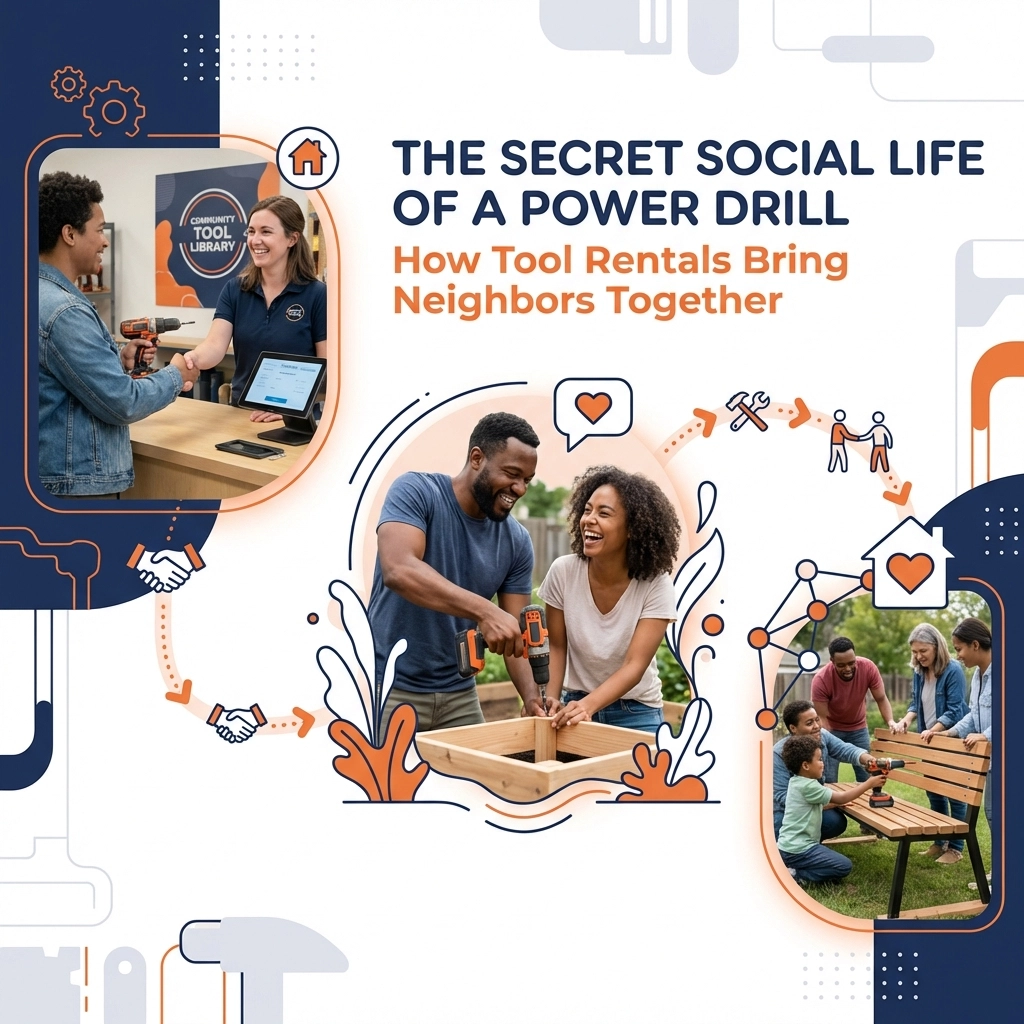
Picture this: your trusty DeWalt drill has just returned from quite the adventure. Yesterday, it helped Sarah from apartment 3B finally mount those floating shelves she'd been staring at for months. This morning, it traveled two blocks over to help Marcus install a new mailbox: and somehow ended up staying for coffee while he shared stories about his recent move to the neighborhood. By afternoon, it was busy helping Elena and her teenage daughter bond over their first DIY project together: building a bookshelf that would hold three generations of family recipes.
This isn't just the story of one well-traveled power tool: it's the story of how something as simple as sharing what we have creates connections we never saw coming.
When Tools Become Conversation Starters
The magic happens in those in-between moments. You know, when you're handing over that circular saw and suddenly find yourself chatting about weekend project plans, or when returning a pressure washer leads to an impromptu neighborhood BBQ planning session. These aren't just transactions: they're the building blocks of community.
Take the story of Jake and Mrs. Rodriguez from Portland's Hawthorne district. Jake needed a tile saw for his bathroom renovation but couldn't justify buying one for a single weekend project. Mrs. Rodriguez had inherited her late husband's extensive tool collection but felt overwhelmed by the garage full of equipment she didn't know how to use. Their first Chartrflex exchange was supposed to be a quick pickup and drop-off. Three hours later, Jake had learned the history of the neighborhood while Mrs. Rodriguez got a crash course in modern home improvement techniques. Now they're planning a community workshop series for other neighbors.
The Trust Economy in Your Backyard
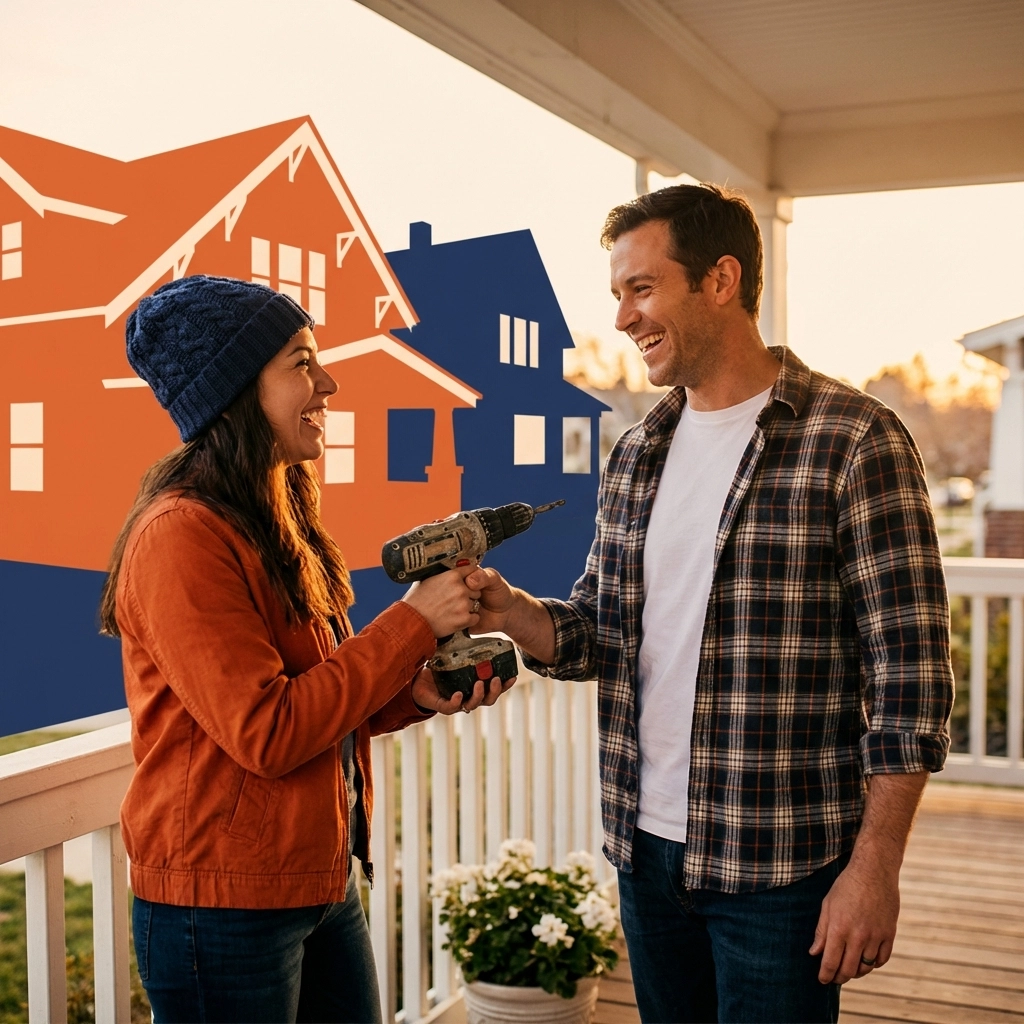
Tool sharing operates on something economists call "collaborative consumption," but neighbors just call it "looking out for each other." When you lend someone your ladder, you're not just sharing aluminum and hinges: you're sharing trust. And that trust has a funny way of multiplying.
In Berkeley, California, the tool library model has transformed entire neighborhoods. Residents borrow everything from garden tillers to precision drills from community-run facilities, often staffed by volunteers who genuinely love helping people tackle their projects. But the real magic happens when borrowers become lenders, when consumers become community members.
"I came in needing a hedge trimmer and left with three new friends and an invitation to join the neighborhood watch," shares community member David Chen. "That hedge trimmer connected me to people I'd been walking past for two years without really knowing."
Breaking Down the Fence (Literally and Figuratively)
There's something beautiful about watching the invisible barriers between houses start to dissolve. In dense urban areas, some apartment buildings have created "communal closets": shared storage spaces stocked with tools that residents can borrow. These initiatives don't just cut down on noise and clutter; they transform anonymous apartment living into genuine community.
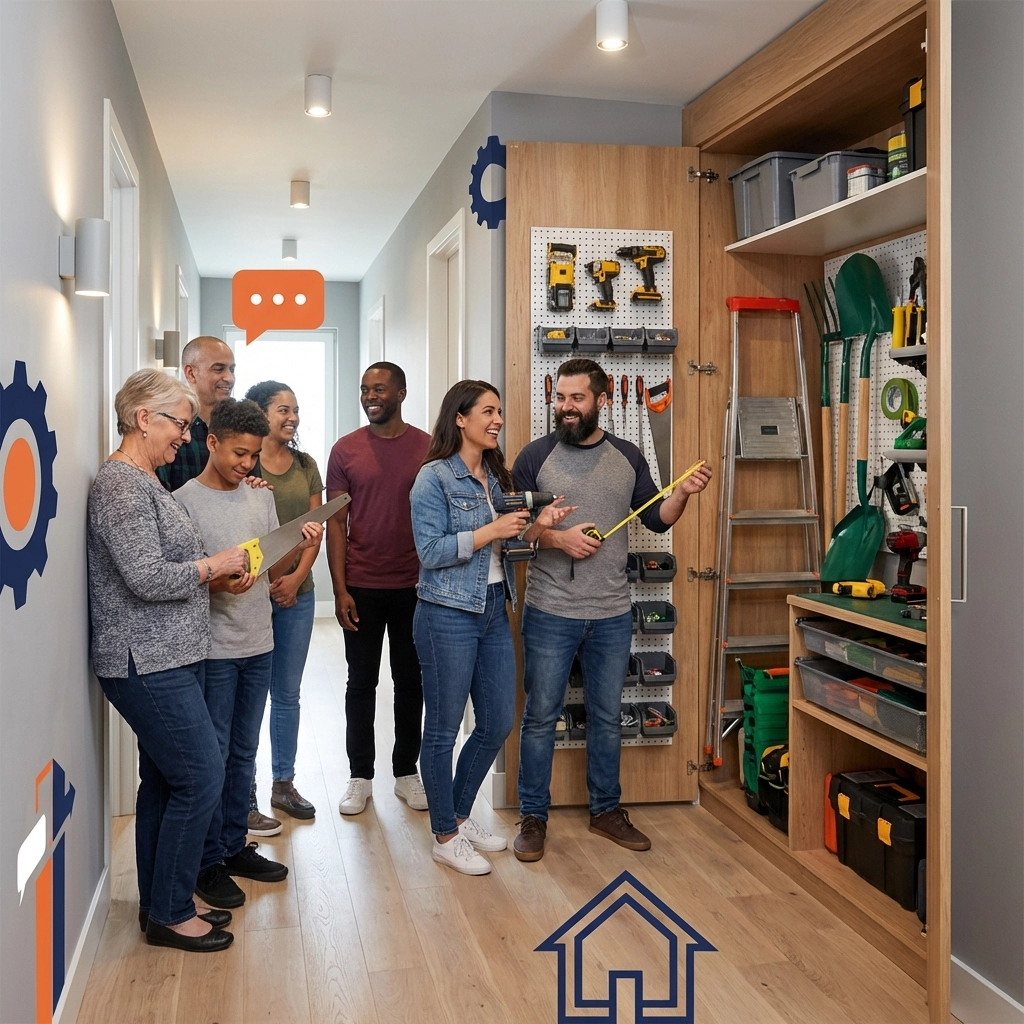
The Roosevelt Apartments in Chicago started with just a basic toolkit in their lobby. Within six months, they had everything from power washers to specialized electronics repair equipment, all contributed and maintained by residents. But more importantly, they had something they'd never had before: residents who knew each other's names, helped with each other's projects, and looked forward to community meetings instead of dreading them.
"Before the tool share, I might nod at my neighbors in the hallway," explains resident Maria Santos. "Now I know that Tom in 4C is a wizard with electrical work, Jessica in 2A has the best drill bits in the building, and that Mr. Park on the third floor is always up for lending a hand with heavy lifting. It's like having a whole neighborhood of helpful relatives."
From "Mine" to "Ours": The Mindset Revolution
The shift from individual ownership to community access represents more than just smart economics: it's a fundamental change in how we think about resources and relationships. Instead of each household owning a leaf blower that sits unused 360 days a year, neighborhoods are discovering they can share one or two high-quality tools while building connections that last far beyond autumn cleanup.
This collaborative consumption model doesn't just provide access to thousands of specialty tools on-demand; it creates awareness of local options beyond big-box retailers. When you need a specific router for that custom woodworking project, you're more likely to discover that your neighbor Mike has exactly what you need: and he's been looking for someone to share his woodworking passion with.
Real Stories, Real Connections
The Chartrflex community is full of stories that started with a simple rental request and blossomed into lasting friendships. Like Rachel and Kevin, who connected over a borrowed sander and ended up launching a small furniture refinishing business together. Or the entire Maple Street block that organized their first-ever block party after discovering how many neighbors they'd met through tool exchanges.
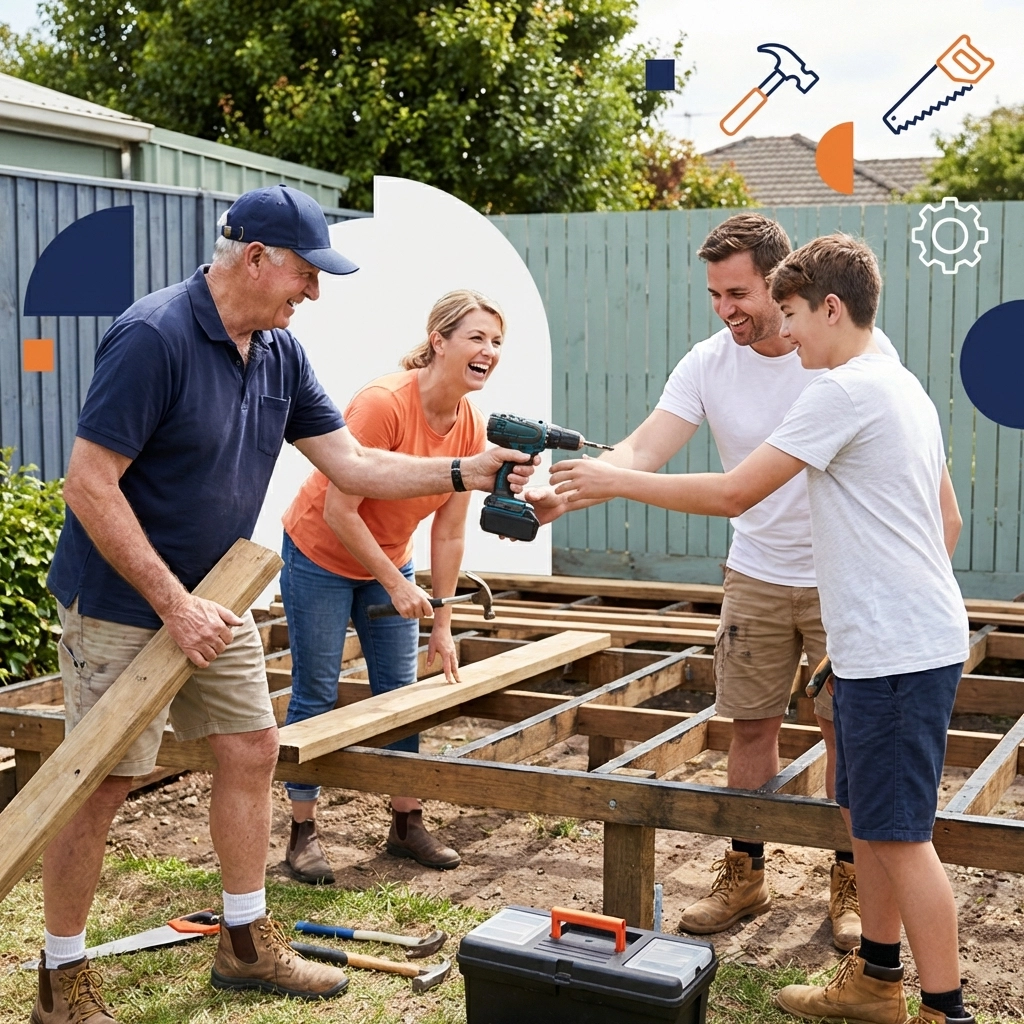
Then there's the story of the "Tool Trek": what started as one neighbor borrowing a pressure washer turned into a weekend-long community project where eight different households worked together to clean everyone's driveways, sharing tools, stories, and eventually ordering pizza for the whole group.
These connections matter more than we might initially realize. In our increasingly digital world, tool sharing provides something precious: real-world, face-to-face interactions with people who live just down the street. It's social media for the physical world: except instead of likes and shares, you get genuine help and human connection.
The Ripple Effect of Sharing
When neighborhoods embrace tool sharing, the benefits ripple outward in unexpected ways. Elderly residents who can no longer use their extensive tool collections find purpose in helping younger neighbors tackle projects. College students and young professionals discover they can take on ambitious DIY projects without massive upfront investments. Families connect across generational lines as experienced DIYers share knowledge alongside their tools.
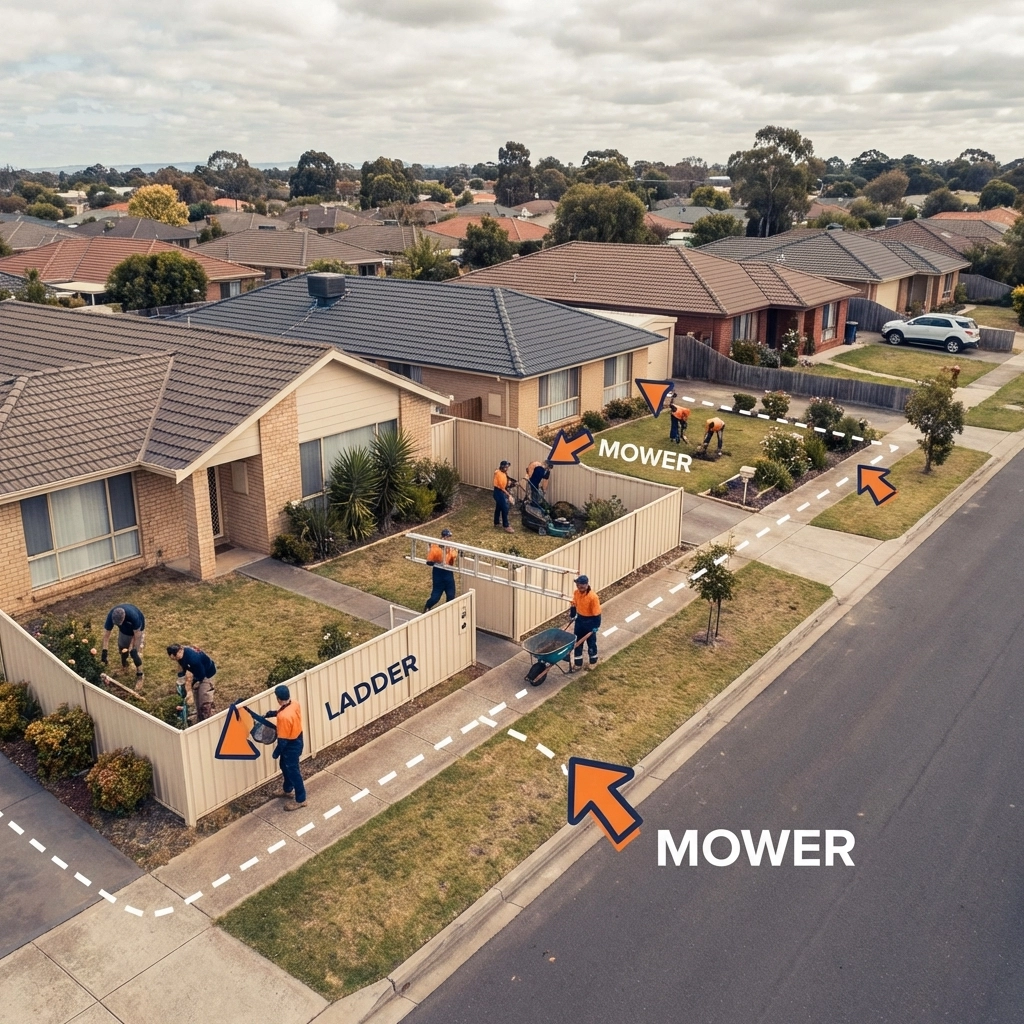
The environmental impact is equally significant. Every shared drill, saw, or specialty tool means fewer resources consumed in manufacturing, less packaging waste, and reduced transportation emissions from shopping trips. It's sustainability with a human face: environmental responsibility that strengthens communities rather than asking individuals to sacrifice.
Building Tomorrow's Neighborhoods Today
The future of community isn't just about smart homes or high-tech infrastructure: it's about rediscovering the simple truth that we're stronger together than apart. Tool sharing represents a return to the neighborhood cooperation that built strong communities for generations, updated for modern life with apps that make coordination seamless and rating systems that help build trust quickly.
As more neighbors discover the joy of sharing resources, we're not just changing how people access tools: we're changing how people relate to each other. Every borrowed ladder becomes a conversation starter. Every shared lawn mower creates an opportunity for connection. Every returned drill strengthens the social fabric that makes neighborhoods into communities.
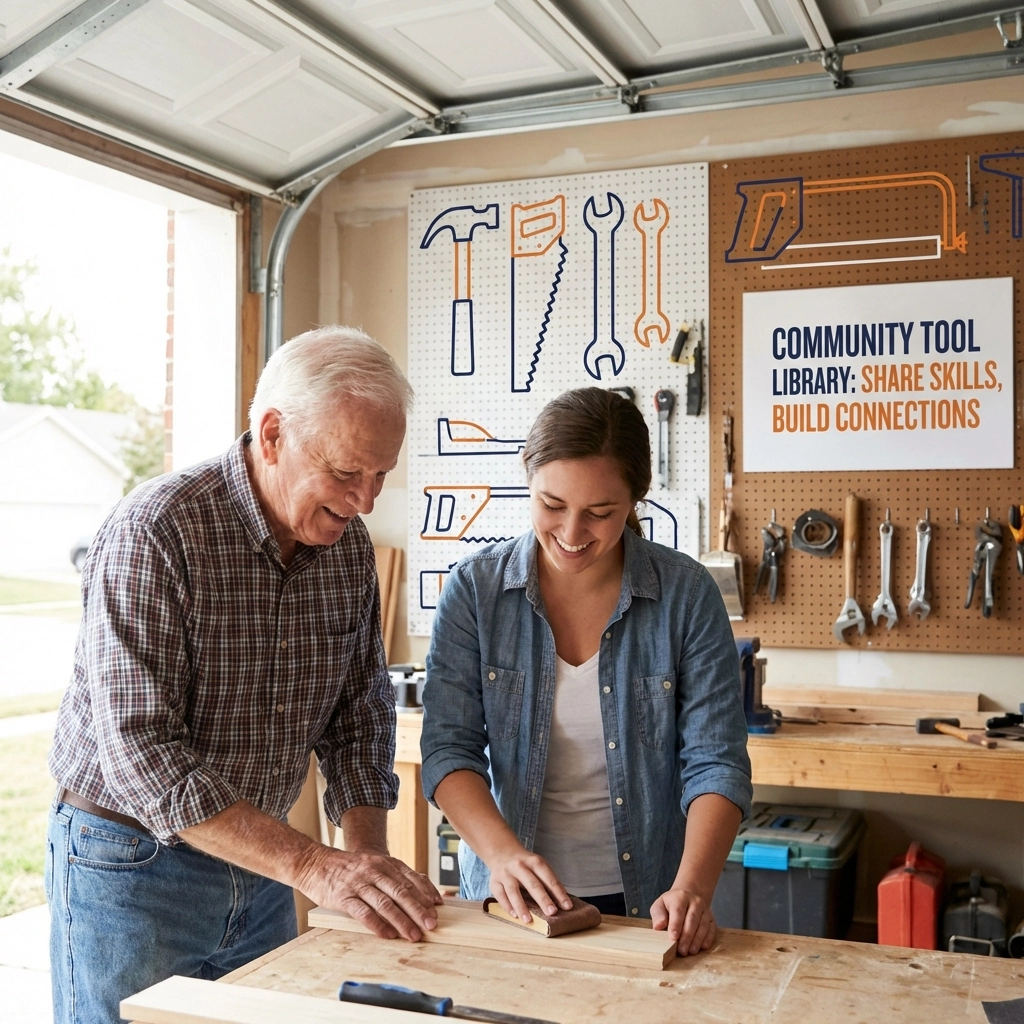
Whether you're looking to tackle your first DIY project or you've got a garage full of tools that could help your neighbors succeed with theirs, the path forward is clear. Real connections are just a share away.
Ready to join the sharing revolution in your neighborhood? Download the Chartrflex app and discover what's available right around the corner. If you're already part of our community, open the app and see how you can help a neighbor tackle their next project: or finally get started on that renovation you've been planning. After all, the best tools are the ones that bring people together.


Like (0)